









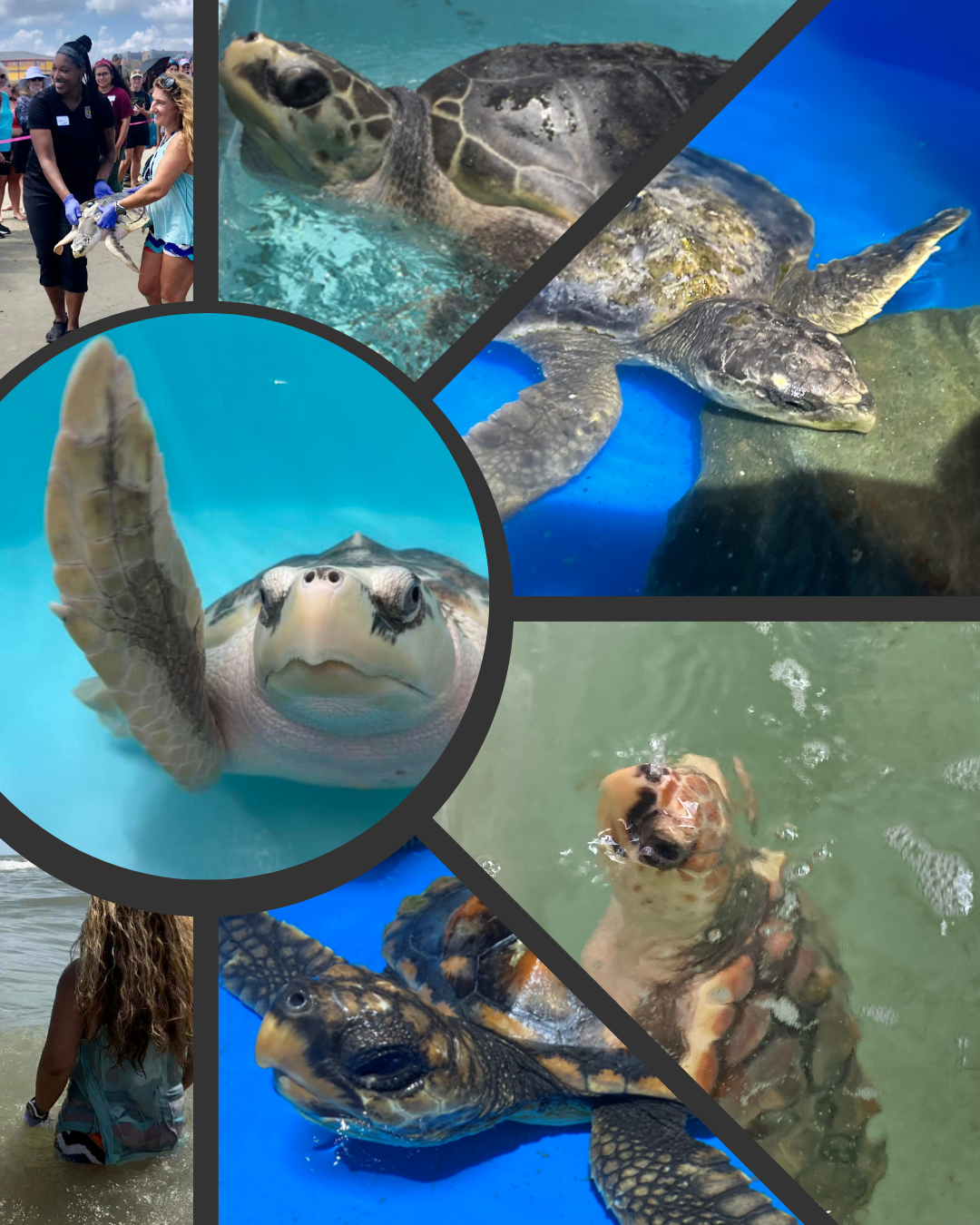
Learn more about our Turtley friends!
ASZ Turtle Rescue & Rehab
Climate change is causing an increase in the frequency and intensity of Atlantic storms every autumn and winter, and also increasing average sea temperatures year-round. This means, that when we get these sudden autumn and winter storms, we are likely to see an increase in cold stranded turtles of all species here in the UK. In 2016, we got our first experience with a washed up turtle. However, in 2021 we got our second and then in 2023, 3 turtles received our care! The pattern is clear… It is certainly becoming more common, and our facilities (while proven to be effective) are limited. We at Anglesey Sea Zoo are eager to change this however…
OUR PLAN & HOW YOU CAN HELP
There is currently no dedicated turtle rescue facility in the UK, and the nature of rescuing turtles means that we could cater to a very large area of the UK from here if we get a dedicated facility built. The facility would contain everything we need: From a purpose-built examination area to at least one purpose-built turtle incubator. That, along with one or more large and adaptable recovery tanks would allow us to have several turtles of different species and at different stages of recovery at the same time. It will also allow all of our turtle rescue work to run more smoothly, and reduce the huge running costs we currently face.
So, although it will not be cheap to build this facility in the first place, it will be far more efficient than our current set-up and will allow us to take in more turtles and give them the best possible chance at full recovery and release.
Here at the Anglesey Sea Zoo we believe that sea turtles belong in the wild, and we do not believe in having them on long term display even if it were possible to do so. Therefore our turtle rescue and rehabilitation facility will continue to be behind the scenes and separate from the main aquarium, to provide the specialised and controlled environment which it needs for proper turtle treatment and rehabilitation whilst also allowing public engagement and education about our rescue turtles at different stages of recovery without any disturbance to them. Every turtle that we nurse back to health will be returned to the wild where it belongs.
If you would like to help…
But first...
Get to know the gang so far!
It would be quite rude not to introduce you to our Turtley guests, wouldn’t it?
These beauties have all been cold-stranded on British beaches and have been brought to us virtually dead. All have been revived and have recovered for re-release here at our voluntary rescue centre under the specialist care of our amazing staff here at the zoo!
With the way things are going, expect updates to this list as more cross our doorstep…
November 2016
Menai the Olive Ridley
Learn my story here!
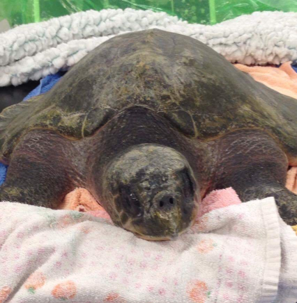
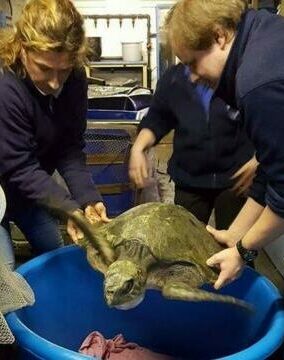
Menai was an adult female Olive Ridley turtle who cold-stranded at the bottom of our drive on the shore of the Menai Strait in November 2016 and serendipitously started our turtle rescue journey. Menai is still a record-breaking turtle as the first of her species ever recorded in the UK since records began in 1748. When Menai arrived on the beach at the bottom of our drive she was in a cold-shock coma and all but dead after a long and gruelling journey from the southern Atlantic. Our team here knew that her chances of recovery were slim but we were determined to do as much for her as we could.
A turtle of any species in cold-shock needs very specific and intensive treatment. Initially, if it stays too cold for too long, or warms up too quickly, it will die. It cannot lift its head to breathe so it can drown. For the first few weeks it needs constant round-the-clock, hourly care and attention with specialist knowledge and experience. Depending on the species of turtle and its condition when it gets stranded, it takes many months, sometimes even years, for a turtle to recover sufficiently for successful release back into the wild.
We are an entirely native aquarium so we house only cold water British species and we had no facility for keeping a full-sized tropical turtle!
However, we succeeded in rescuing Menai, where after 8 months of being with us here at the Sea Zoo, she was transported to a rescue centre in Gran Canaria, where it was revealed she suffered from underlying health problems, and later sadly died.
November 2021
Tally the Kemps Ridley
Learn my story here!
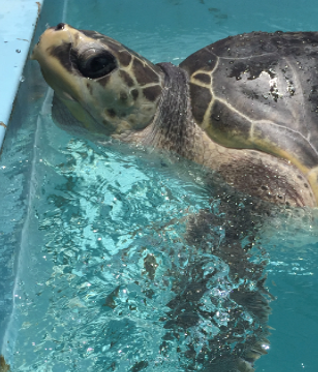
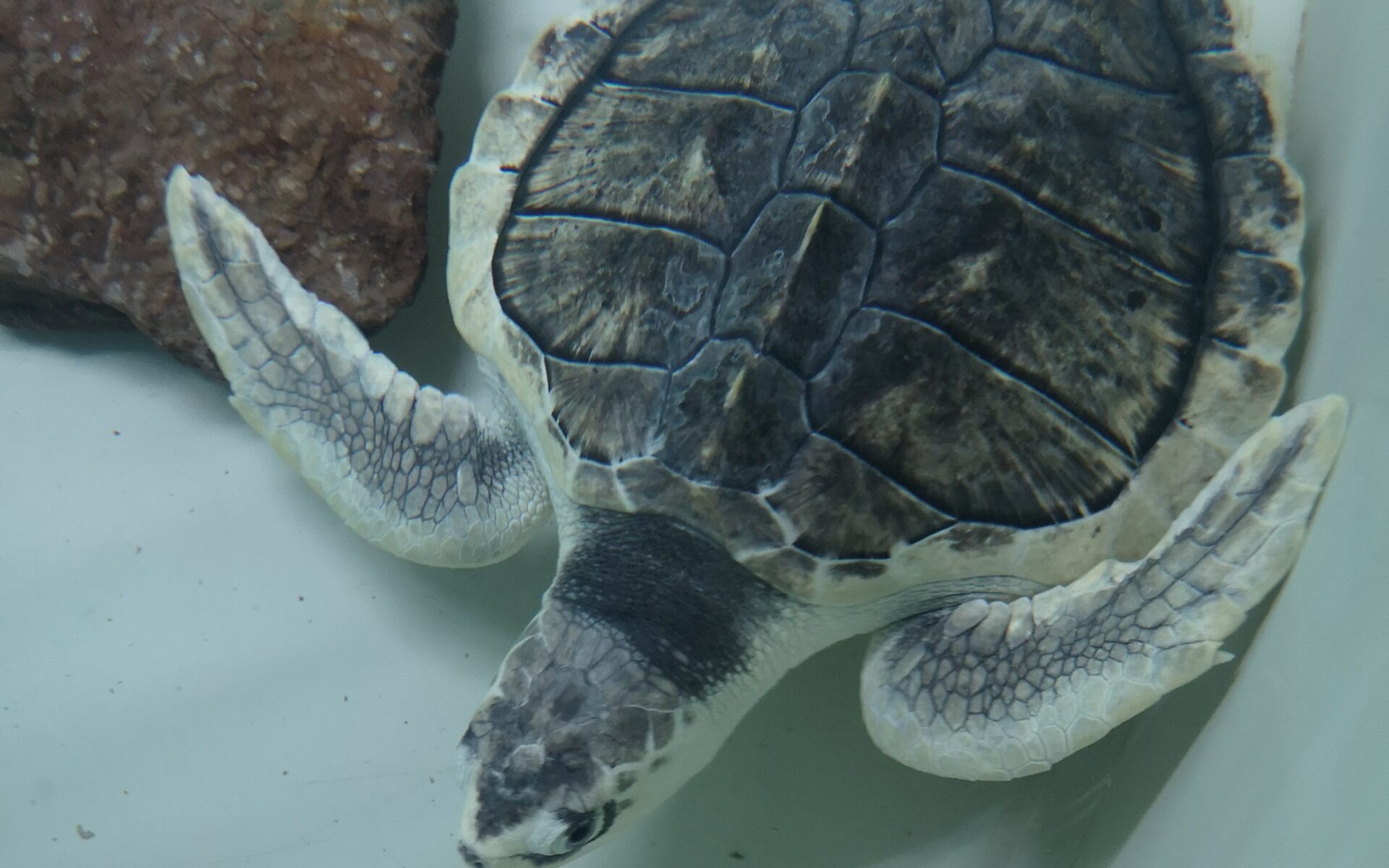
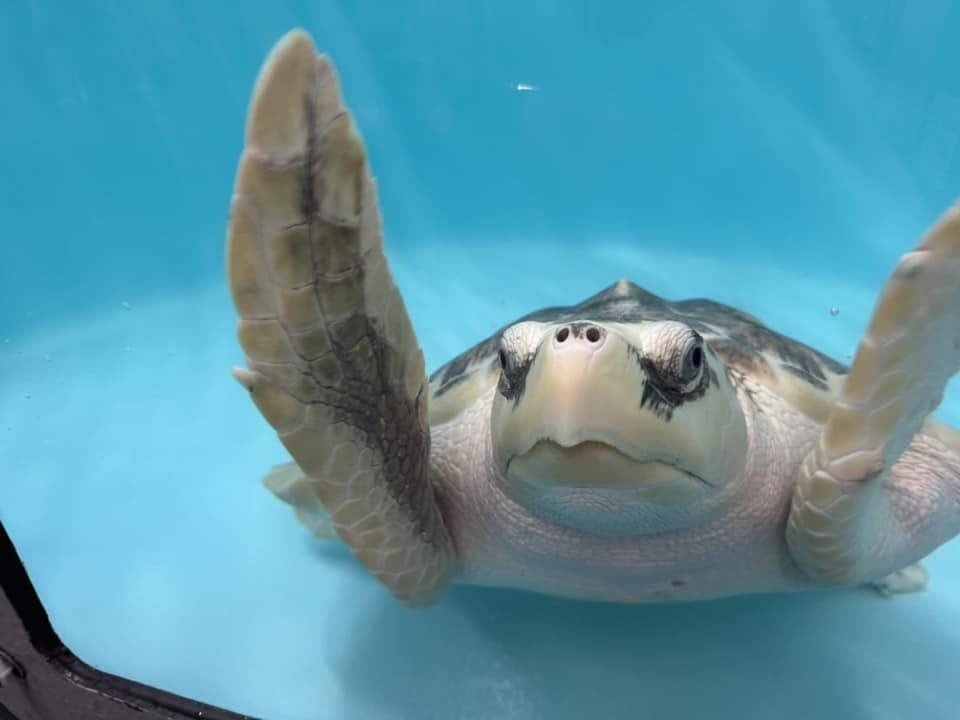
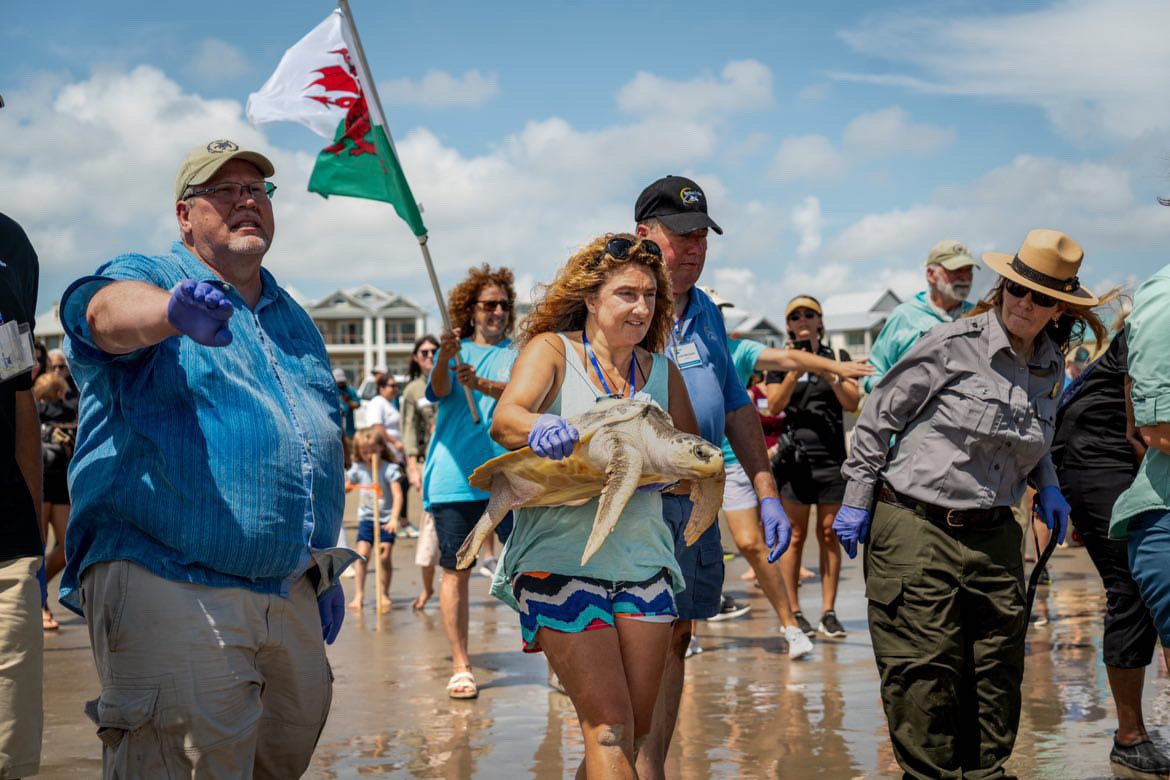
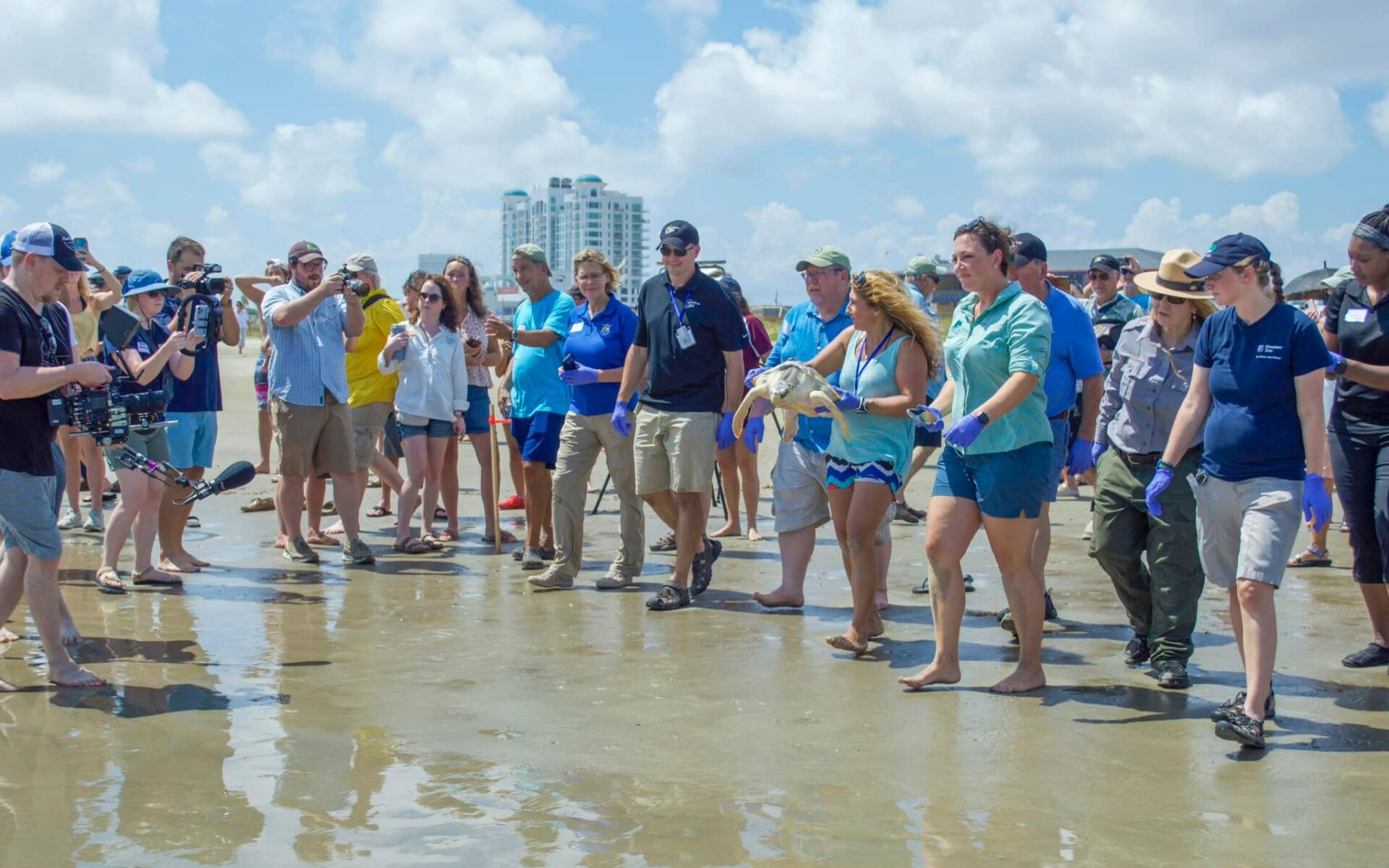
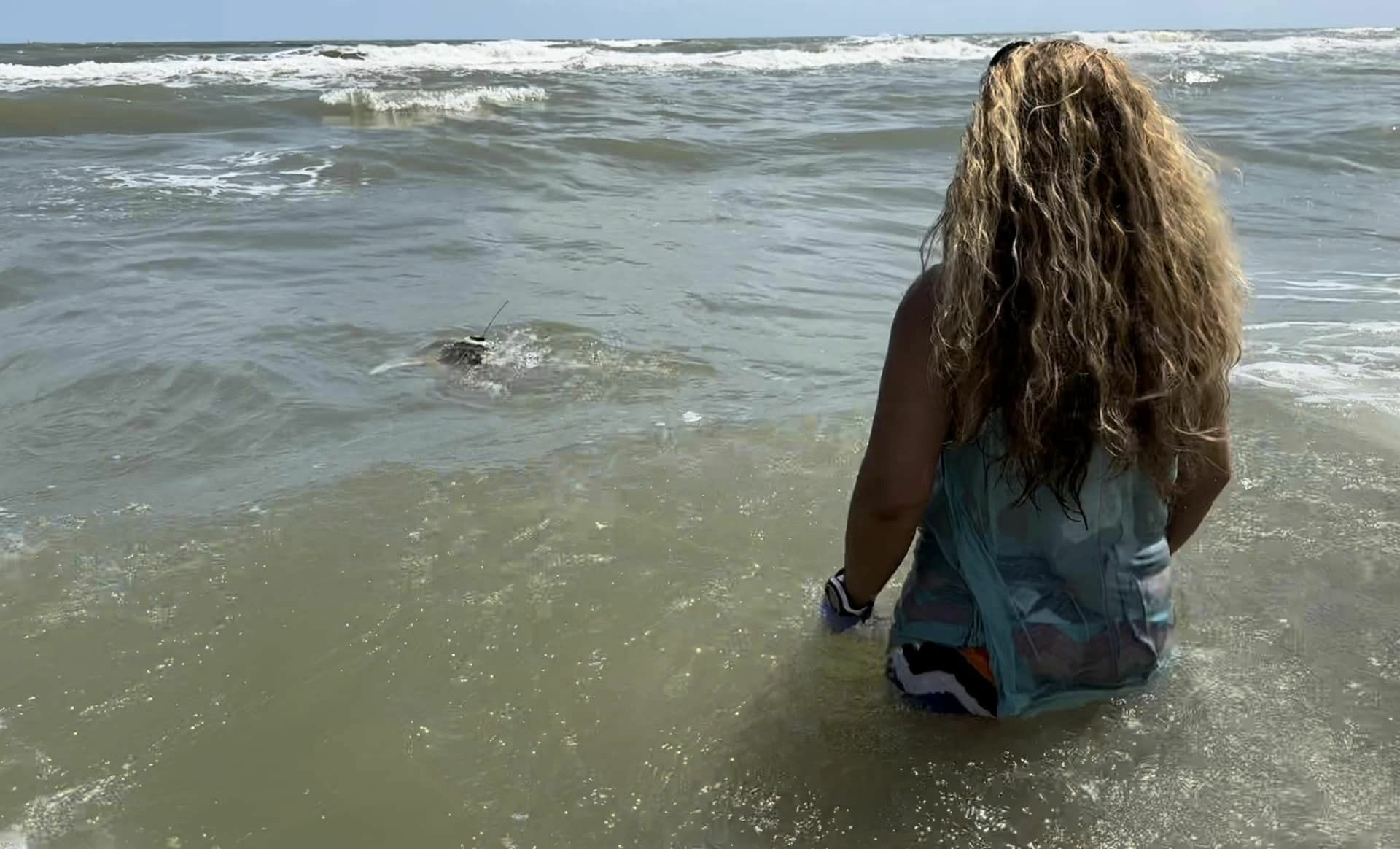
At the end of November 2021 we rescued Tally, a juvenile Kemps Ridley turtle – the rarest turtle species in the world – when she washed up cold-stunned on a nearby beach here in North Wales. Through our experience and hands-on care and rehabilitation, Tally fully recovered and was ready for re-release back into the wild.
As Tally was a critically endangered Kemps Ridley sea turtle with only around 8000 breeding females remaining in the world, breeding in just one area in the Gulf of Mexico, when she recovered we wanted to release her straight back into the wild in a place where she would thrive and would most benefit the survival of her species.
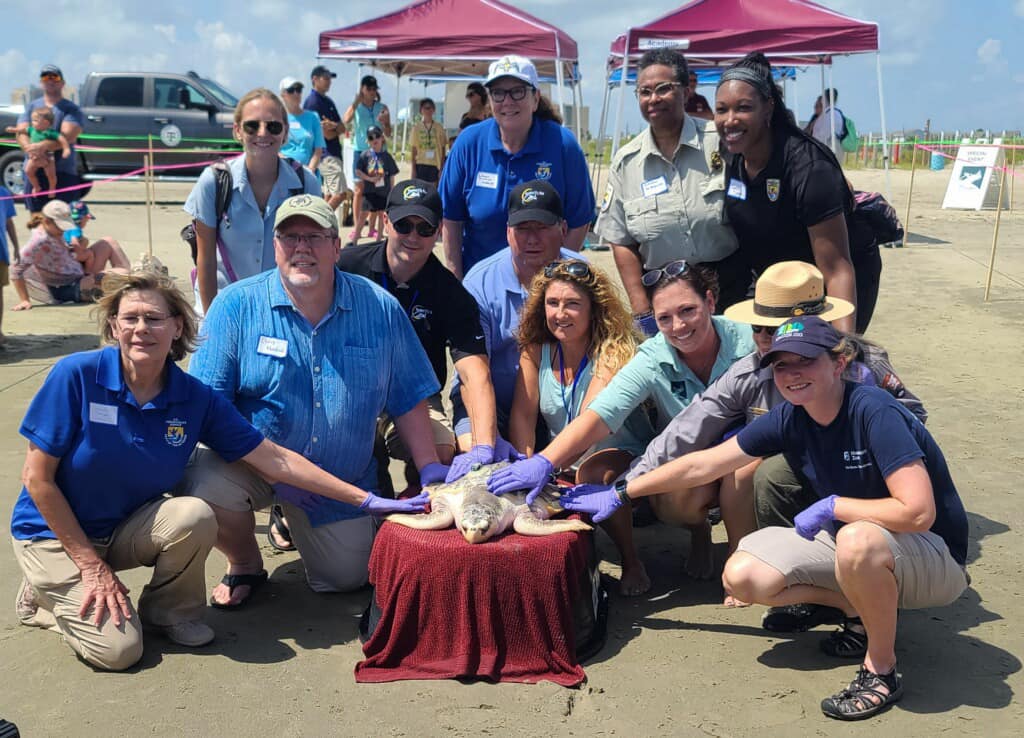
It took 20 months to finally fly and release Tally in Texas after her rescue, this involved endless paperwork, complicated logistics, daily calls and emails and close collaborations across the Atlantic. In doing so we broke new ground in working directly with Kemps Ridley conservationists saving the remaining breeding population of this critically endangered species in the field in Texas, and introduced new protocols which work to best benefit Kemps Ridleys which cold-strand in the UK in the future.
As a result of our experiences with these two amazing turtles, we are now armed with all the knowledge, experience and global turtle rescue contacts needed to be UK cold-stranded turtle experts and the professional contacts we need abroad for re-releasing them after recovery.
January 2023
Tonni the Loggerhead
Learn my story here!
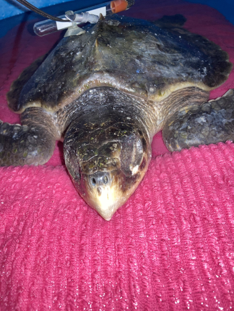
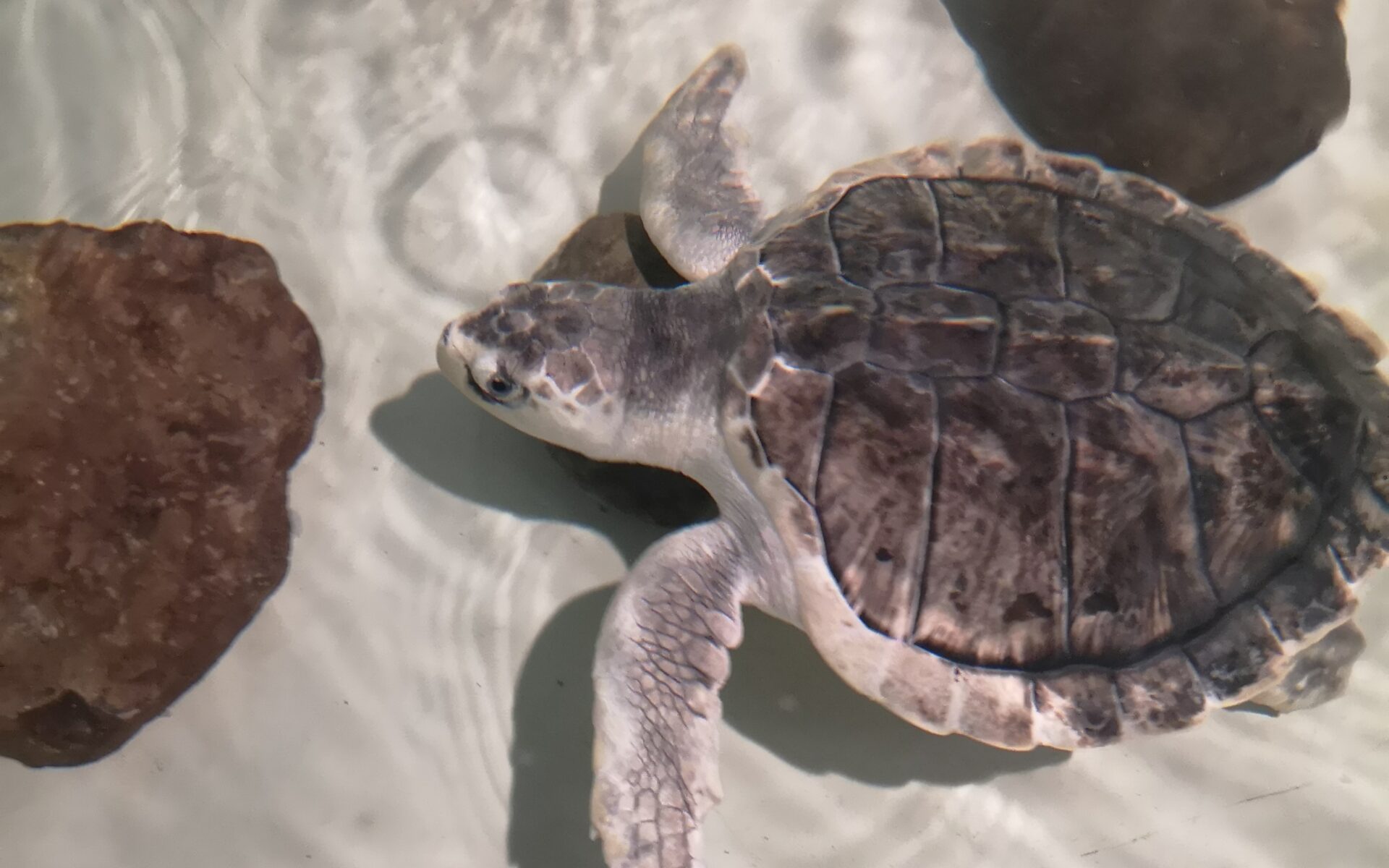
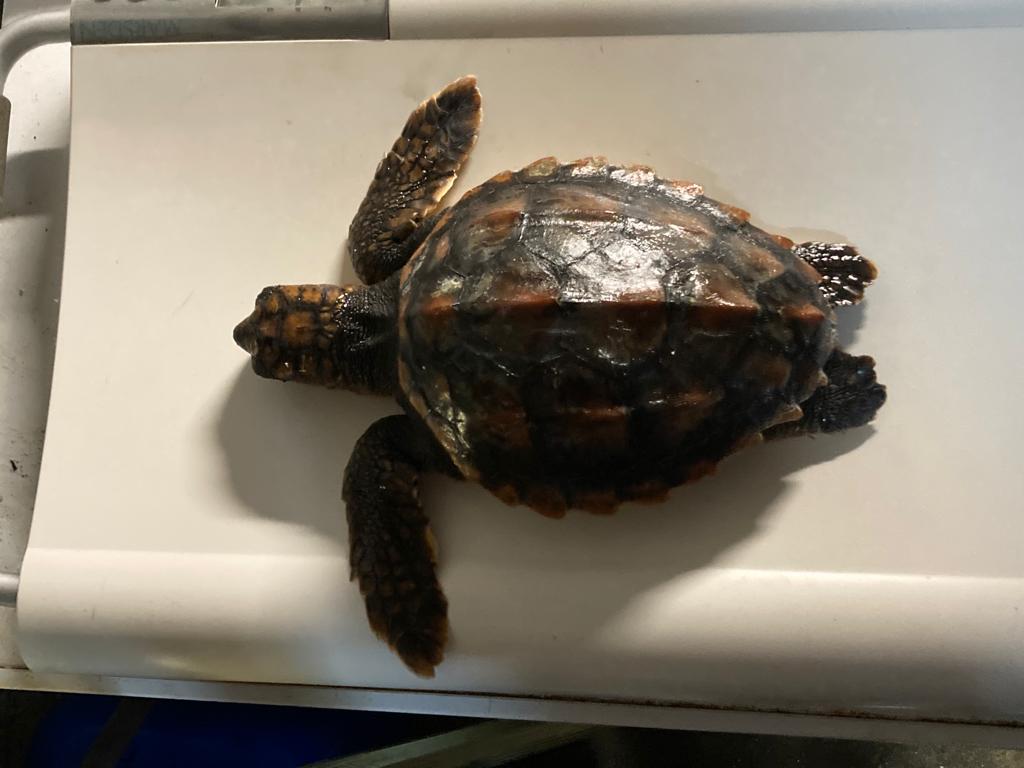
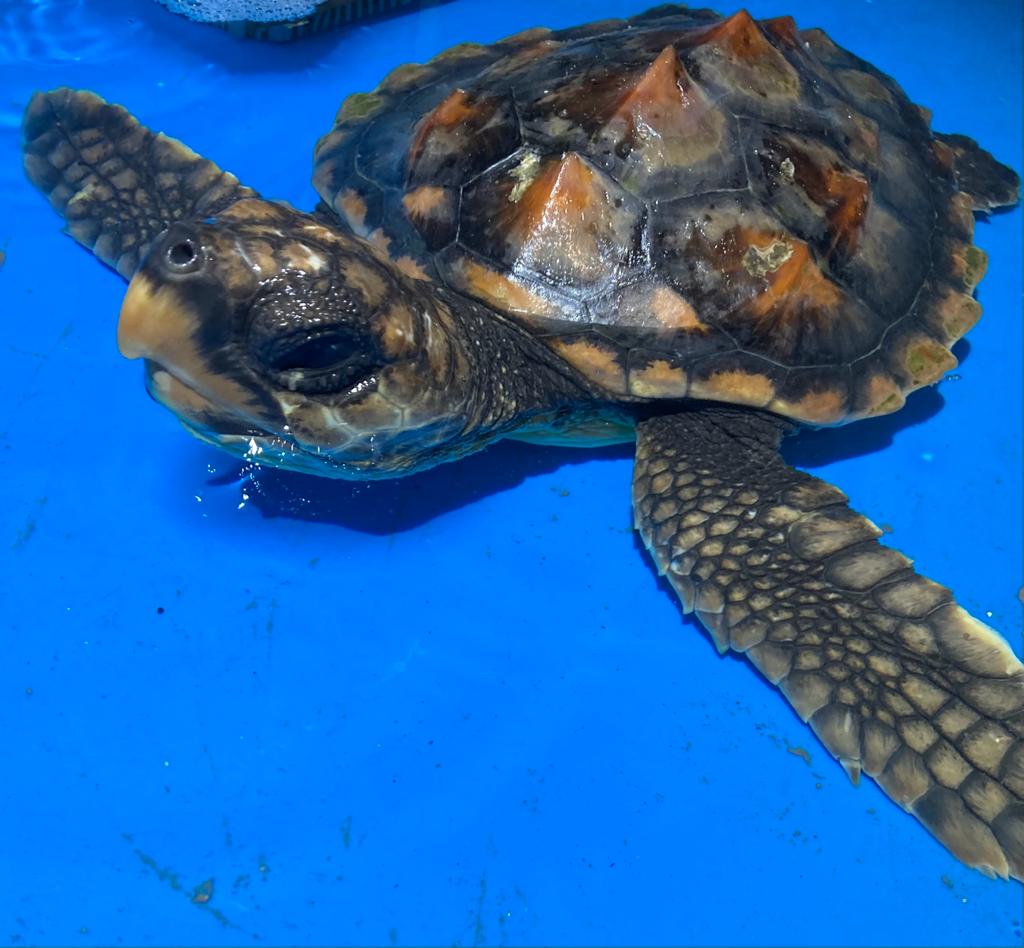
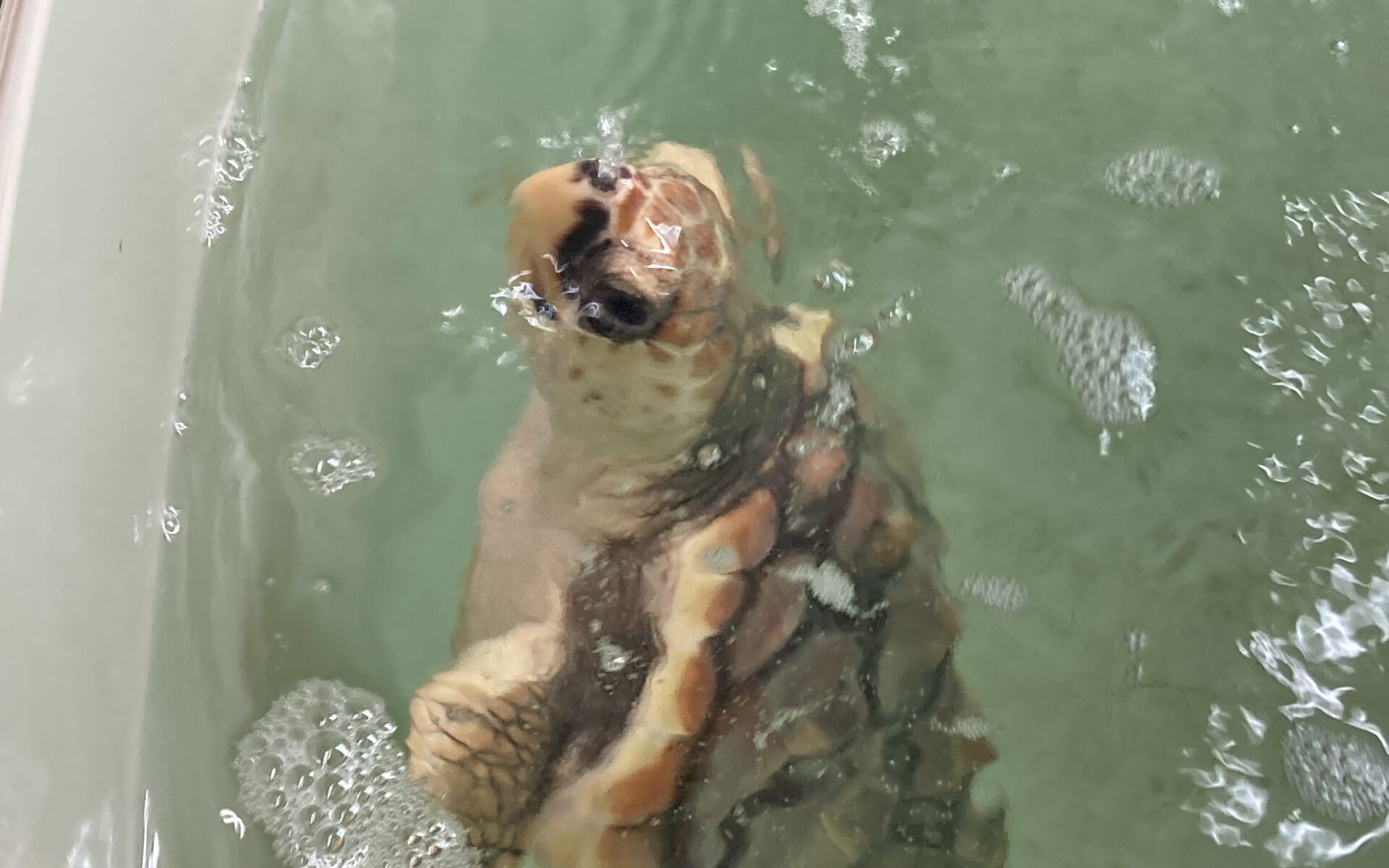
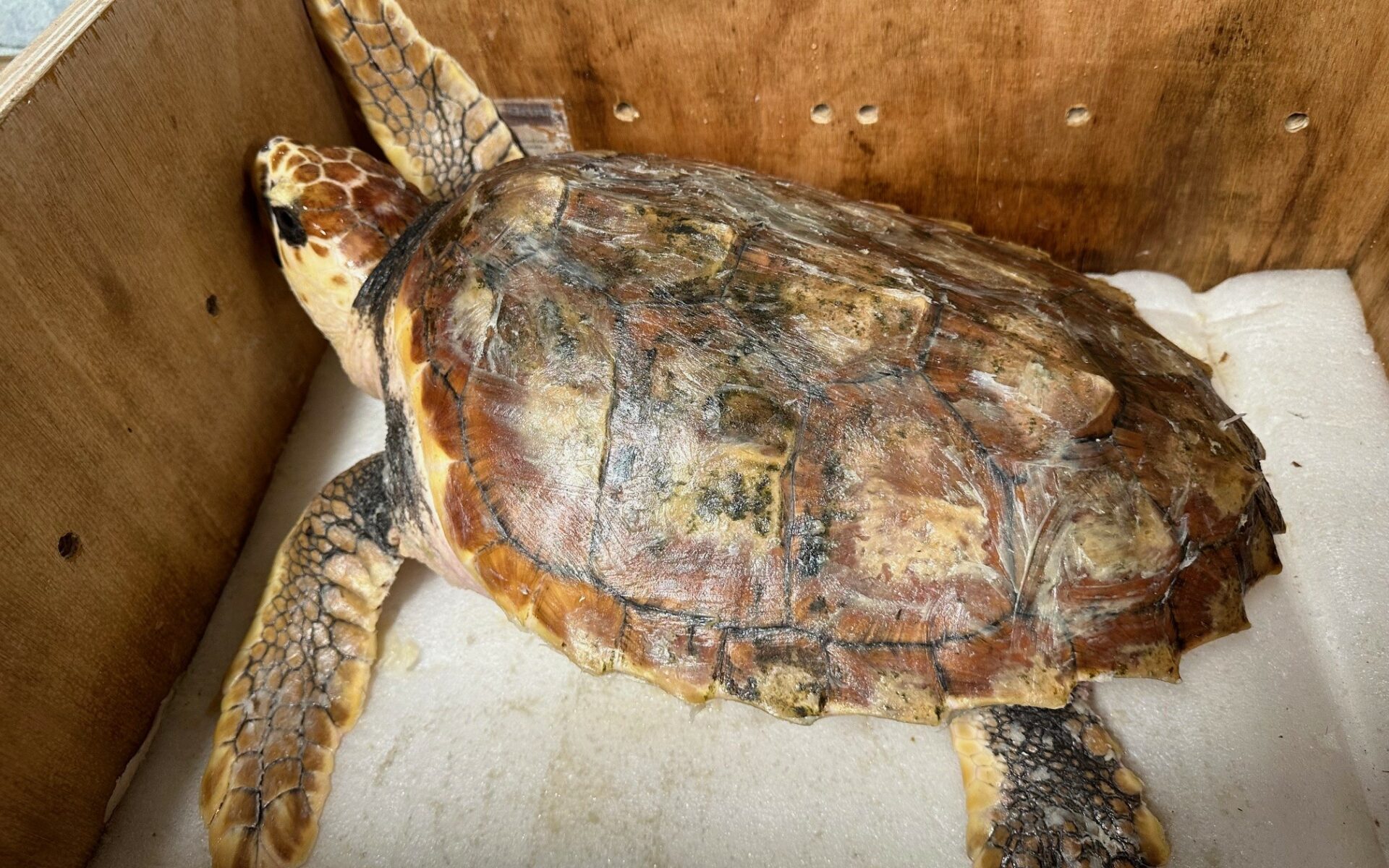
In January 2023 we found ourselves with another addition, Tonni the Loggerhead. Tonni , when rescued was a very small but feisty Loggerhead turtle who washed up cold-stranded half a mile from us. She was succesfuly brought to the Sea Zoo where she was nursed back to full health. Unfortunately, unlike Menai and Tally, as the United Kingdom had left the European Union, we were forced to follow different legislation when transporting reptiles. This meant that we could not transport Tonni to Gran Canaria due to the EU’s ban on transporting reptiles that have salmonella. Unfortunately, the majority of wild sea turtles carry salmonella.
Luckily though, a solution was found from an unlikely source…
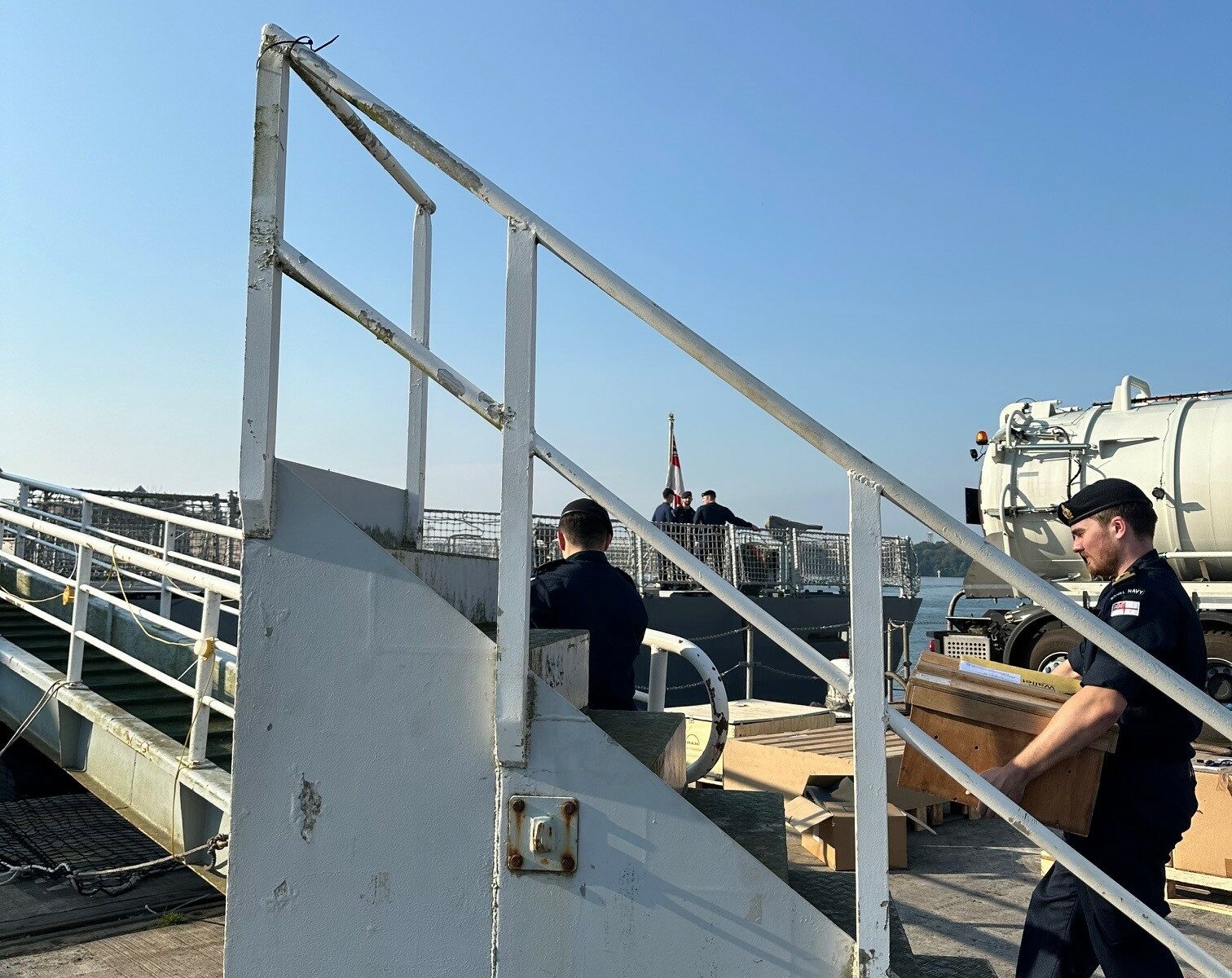
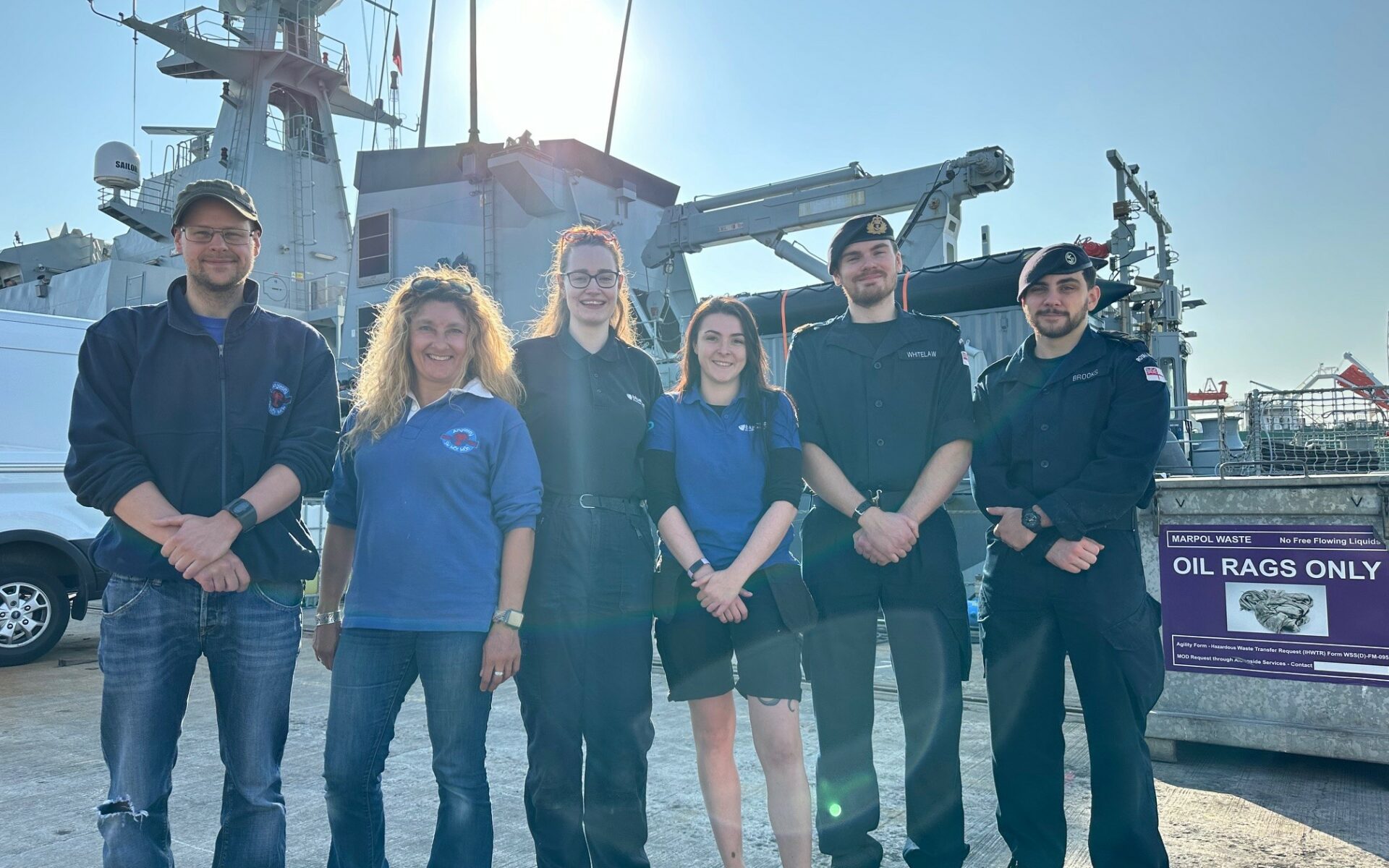
In September of 2024, the HMS Medway, a patrol boat that was en-route to the Caribbean picked up Tonni, and 5 other Loggerheads from Blue Reef Aquarium Newquay, Jason, Perran, Gordon, Hayle, and Devon, which were then dropped off in international waters near the Azores!
December 2023
Rhossi the Kemps Ridley
Learn my story here!
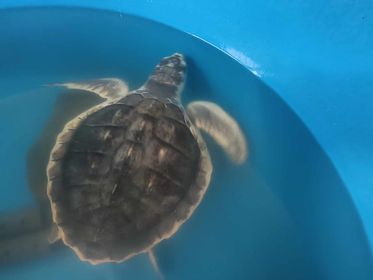
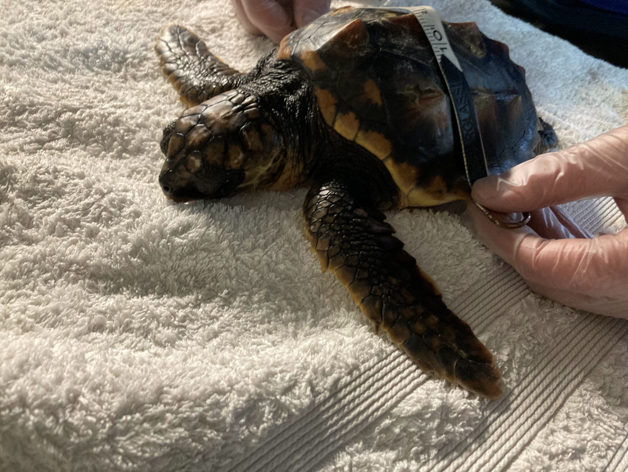
In December 2023 we rescued our 4th turtle from Rhosneigr, a local beach on Anglesey. Little Rhossi is now out of the initial recovery stage and looks set for a full recovery and release. Rhossi is another juvenile Kemps Ridley turtle so – like Tally – needs to be returned to the Gulf of Mexico to the remaining critically endangered population of its species.
However, once it came to preparing for Rhossi’s repatriation, we hit a wall again, and this time not to-do with the EU, but the U.S. government. In January 2025 Donald Trump signed an executive order that defunded many active wildlife conservation projects in the USA, this meant that the U.S. Wildlife and Fisheries Service who had previously aided us with Tally’s release, didn’t have enough funding or staff to help us for a while, however, we now have the license to release Rhossi and she is expected to depart the Sea Zoo in August 2026.
What? How? Why?
Cold-Stranded Turtles
We’ve mentioned “cold-stranded” quite a few times now, but what does it mean?
Well, turtles like their water warm and use the Gulf stream (think of it as a massive turtle highway made up of currents) to migrate. Climate change is causing the temperatures of global waters to rise, which means that more and more of the loggerhead turtles are spending longer time foraging around the UK every year and that the range of the other types of turtles like Kemp’s Ridley are expanded. Sounds great, right?
Unfortunately, climate change has also caused an increase in sudden storms or sudden cold temperatures. This means the cheeky turtles that want to spend a few more days on their vacation are dragged off course by these violent storms or get disorientated by the cold water and swim into water far too cold for them!
Cold-stranded, is the term used for one of these turtles that, in response to the sudden change in temperature shut down their bodies. This just drags them further and further off course, which leads to them washing up on our cold shores far from home, and out of their habitat.
This is a very dangerous time for these unfortunate turtles, as with their bodies closed down they make for easy prey. Luckily however, sometimes a beach-goer with their dog finds these creatures at this crucial point. This, is where we came into each of these stories!
It’s imperative that these turtles receive care immediately, and the Turtle Rescue & Rehab Facility we are proposing would make this coming part so much easier!
Now, free from predators and in the hands of our capable and passionate staff the true journey begins. It’s important that the body temperature of the turtle is raised back to its natural state. However, doing so too quickly can overload the poor creature resulting in death. So, a steady increase is needed in regular intervals until the turtle can once again eat. It is crucial that the turtle be under constant supervision during this time.
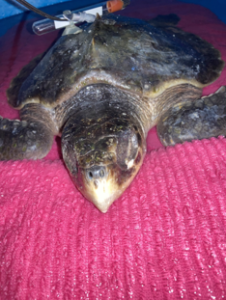
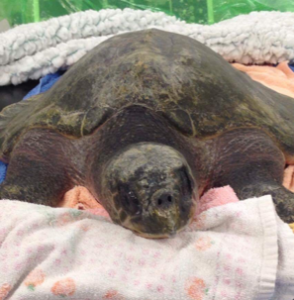
The cold is not the only obstacle the turtles we’ve rescued have faced. Being thrown around in the vicious storms and dragged for miles upon miles can leave the poor things quite damaged. Through persistent care and after careful examinations our staff are able to give the best care possible.
VIDEOS & PLAYLISTS
Here’s a playlist of our turtle rehab videos so far. Be sure to check back regularly for any updates!
Be sure to check our social media too for smaller, less formal videos of progress, feeding and any other updates. You can find us on Facebook, Twitter, Instagram and more!
Technology can be unreliable at the best of times. If you’re having trouble getting the video to load and play, press HERE
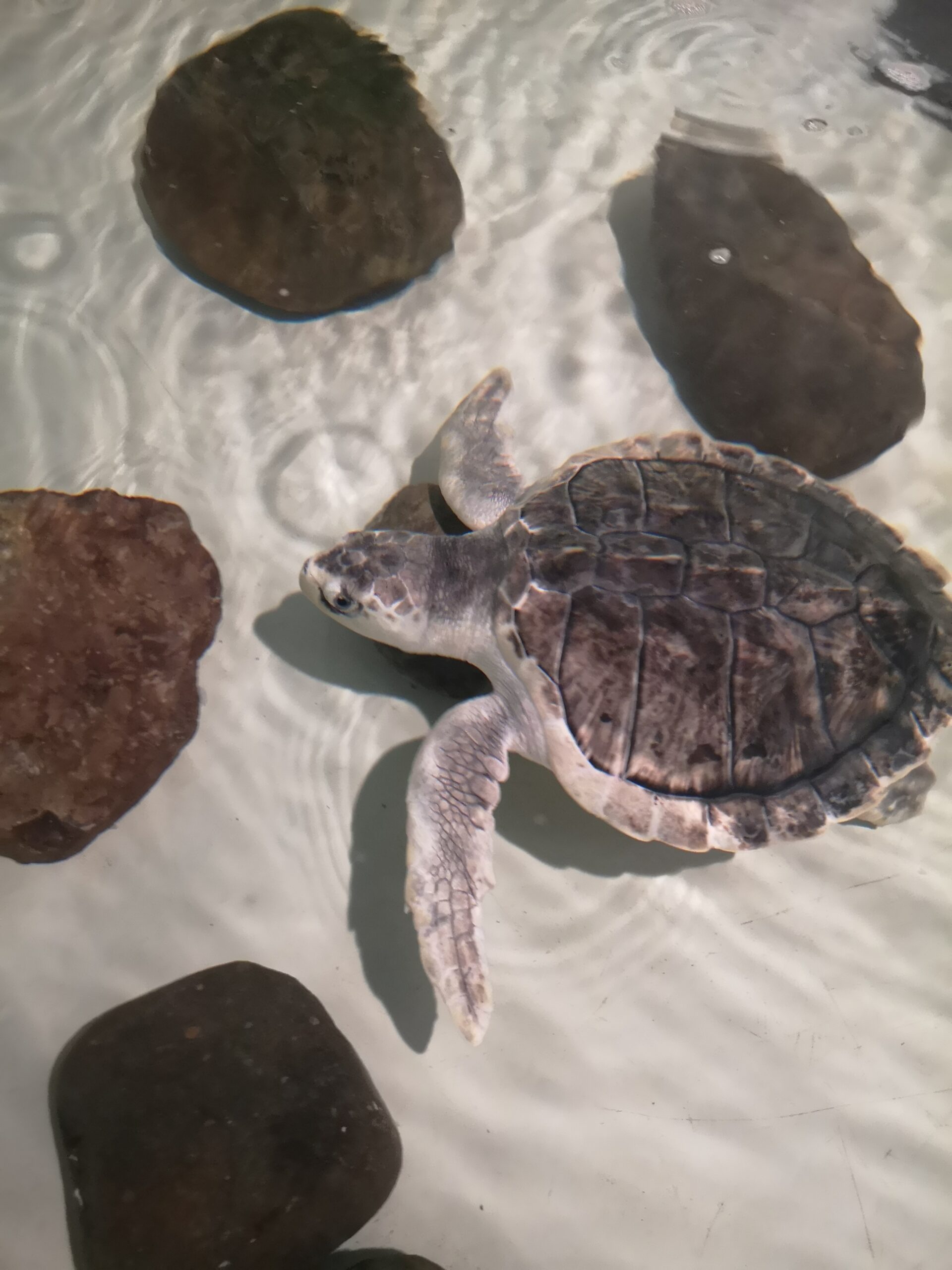
Before we go...
Thank You!
We at Anglesey Sea Zoo would like to take a moment to thank everyone that has supported and continue to support us!
Whether it’s through our GoFundMe fundraiser for the Turtle Rescue & Rehab facility, the overwhelming flood of lovely messages we have received over social media, or even the kind words of support to our staff; Thank you!
It really has been a wild ride, and there’s no sign of it slowing down yet! We’ll continue to use all of the experience we have gained to ensure that every cold-stranded turtle that washes up onto our beaches has the best chance possible to one day see their home again!
If you have any questions, message us on social media or send us an email. If you’d like to support us in building the first dedicated Turtle Rescue & Rehab Facility in the UK, please see our GoFundMe linked higher up on the page.